
🐟 If you are an athlete, amateur or professional, you have probably already heard of omega-3s. But did you know that these essential fatty acids can play a key role in your recovery, performance and overall health ?
🔬 What are Omega-3s ?
Omega-3s are essential polyunsaturated fatty acids that the body cannot produce. Therefore, they must be obtained through diet. There are three main types :
- 🌱 ALA (alpha-linolenic acid) : derived from plant sources such as flax seeds, chia seeds or nuts.
- 🐠 EPA and DHA (eicosapentaenoic acid and docosahexaenoic acid) : found in oily fish such as salmon, mackerel or sardines, and essential for the brain and cardiovascular system.
💪 Why athletes need omega-3
1. 🔄 Muscle recovery and anti-inflammation
Intense physical activity causes muscle micro-tears and inflammation. Omega-3 fatty acids reduce this inflammation, promoting faster recovery and less soreness after exercise.
2. ❤️ Cardiovascular health
A healthy heart and blood vessels improve endurance and performance. Omega-3 fatty acids help regulate blood pressure and blood lipids, reducing the risk of cardiovascular fatigue.
3. 🧠 Brain function and concentration
DHA is a key component of neurons. It promotes concentration, coordination, and rapid decision-making, qualities essential for technical sports.
4. ⚖️ Weight management and metabolism
Omega-3s can improve insulin sensitivity and fat metabolism, helping athletes better manage their body composition.
🛒 The best resources for athletes
- 🐟 Oily fish : salmon, mackerel, sardines, herring (2 to 3 times a week).
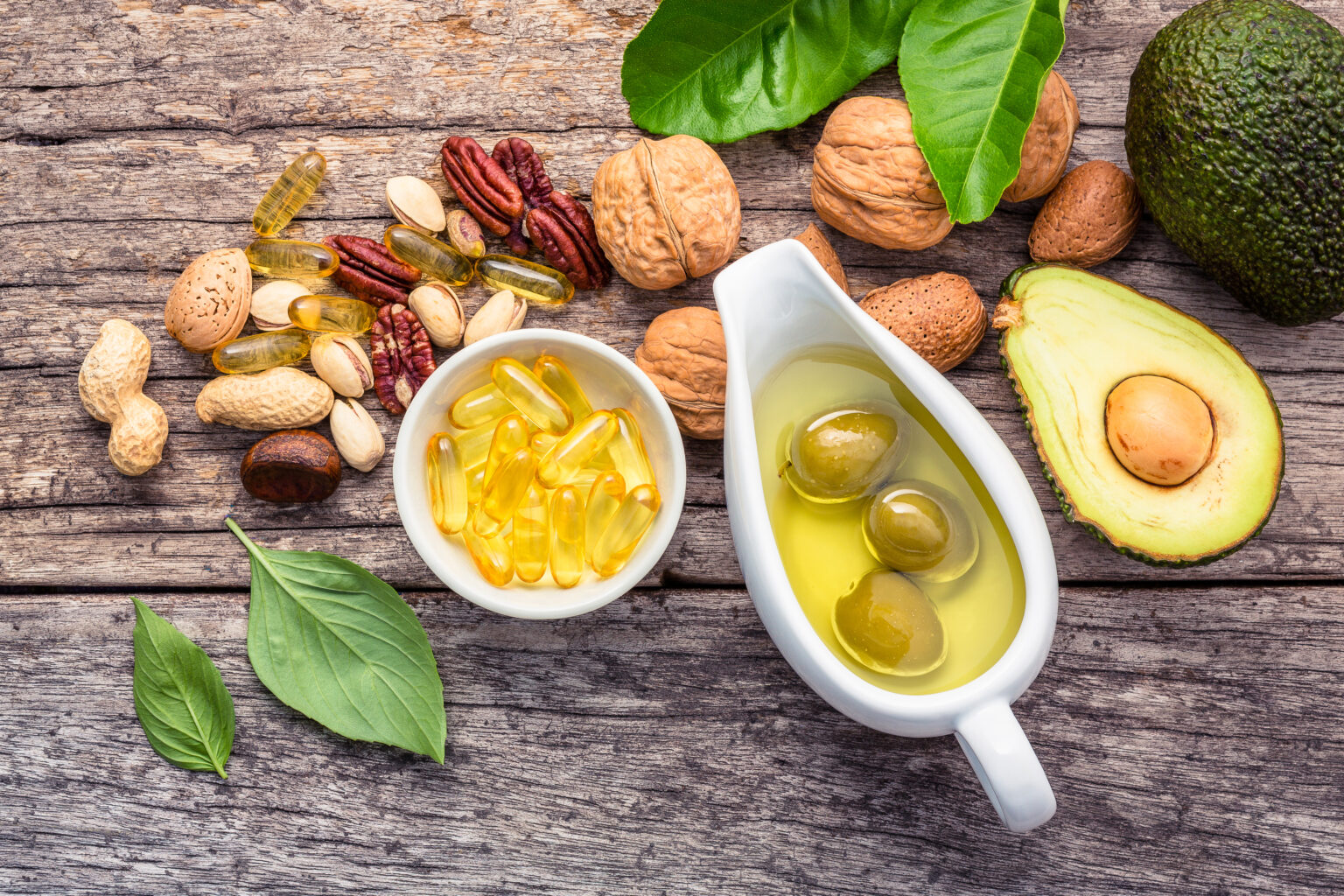
- 🌰 Seeds and nuts : flax, chia, walnuts, almonds.
- 🫙 Vegetable oils : rapeseed, flaxseed, walnut.
- 💊 Supplements : fish or seaweed oils (ideal for vegetarians/vegans or those who train intensely).
💡 How to consume them effectively
- Combine plant-based sources with antioxidant-rich foods to improve their absorption. 🍊
- Opt for oily fish cooked by steaming or baking rather than frying. 🍽️
- Supplements should be taken according to the recommendations (often 1 to 2 g of EPA+DHA per day for athletes). 📏
🏁 Conclusion
For athletes, omega-3s are not just a “health bonus”, but a true ally for performance and recovery 🌟. Regularly incorporating oily fish, nuts and seeds into your diet, or opting for a quality supplement, can make a difference in the long term.
Investing in your omega-3s is investing in your body and performance 🚀. Your heart ❤️, your muscles 💪 and your brain 🧠 will thank you !
